- Pro
Intel remains the largest vendor but AMD is catching up really fast
When you purchase through links on our site, we may earn an affiliate commission. Here’s how it works.
 (Image credit: Future)
Share
Share by:
(Image credit: Future)
Share
Share by:
- Copy link
- X
- Threads
- AMD desktop shipments rose from 3 million to over 35 million units quarterly
- Intel’s server share fell from 97% in 2019 to 72% by 2025
- AMD’s revenue from EPYC grew from under $100 million to $3.5 billion (3400%) in 8 years
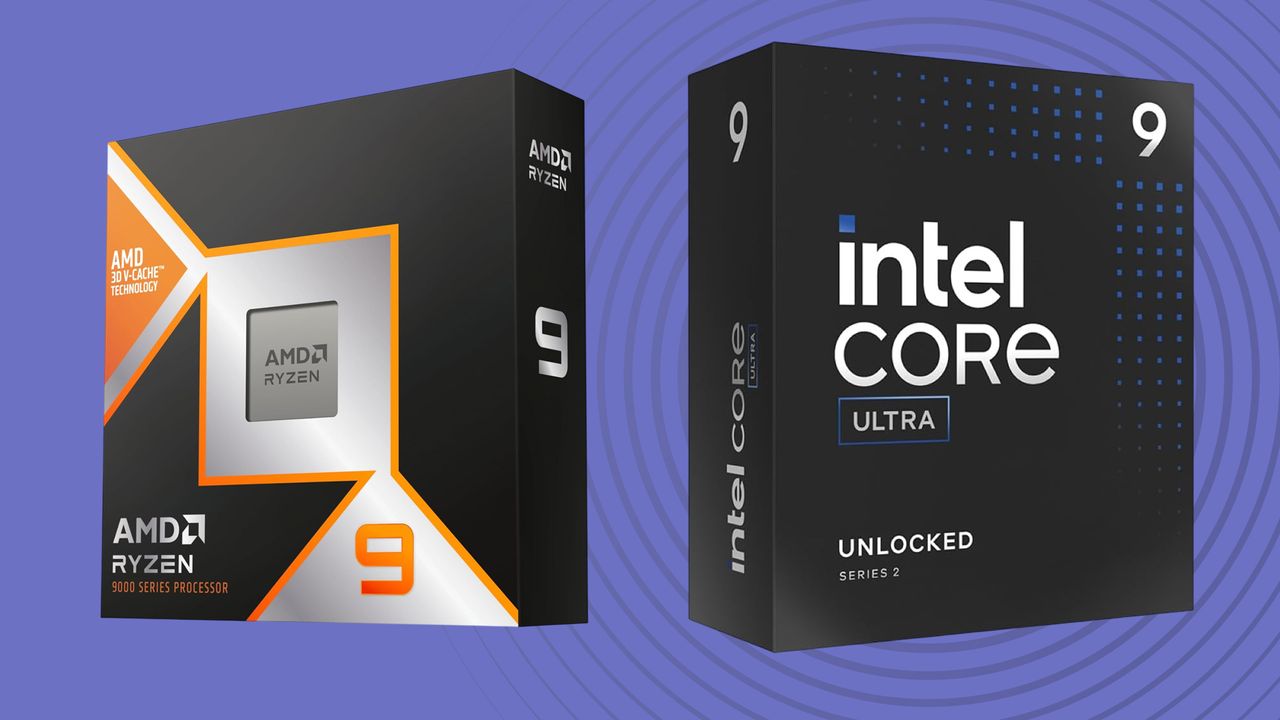
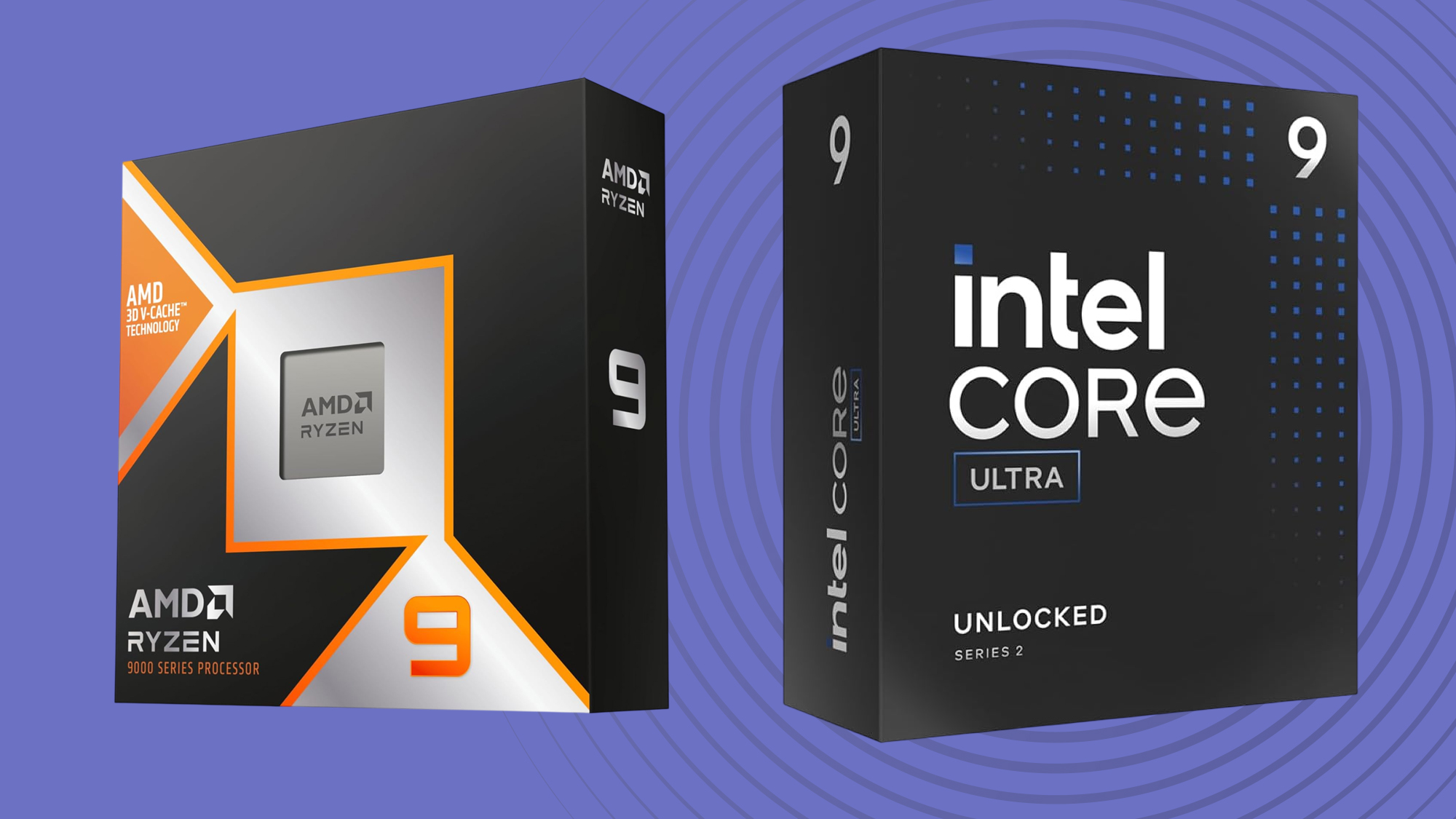
Intel’s market share in the desktop segment has declined since 2017, coinciding with the introduction of AMD’s first Ryzen CPUs.
Although Intel regained some ground with its 12th Gen Alder Lake and 13th Gen Raptor Lake chips, reports indicate that performance and thermal issues in later generations pushed many DIY enthusiasts and OEMs to switch to Ryzen processors.
AMD has steadily increased its desktop share to over 30%, while Intel now holds around 60%.
You may like-
 AMD is slowly turning into Intel of yesteryear as $501 32-thread Ryzen 9 7950X is just enough to beat 20-thread $270 Core Ultra 7 265KF — so what's going on?
-
 Intel sells the fastest sub-$200 CPUs that you can buy right now and AMD can barely keep up, even with a Ryzen 9 5900XT — so I have to ask, is Intel the new AMD?
-
 Intel beats AMD on sheer value as it ranks 7 CPUs in PassMark's top 10 Price Performance leaderboard — AMD gets number 1 but it's just an entry level Ryzen 5 on clearance sales
AMD’s adoption trends continue to rise
Between 2017 and 2025, AMD’s desktop unit shipments rose from approximately 3 million to over 35 million per quarter.
In the notebook segment, AMD’s growth has remained limited to approximately 20% share due to competitive ARM-based alternatives.
However, Apple and AMD have indirectly benefited from Intel’s weaker positioning in this market.
Intel’s decline also appears in the server segment, where EPYC processors have driven major market shifts.
Are you a pro? Subscribe to our newsletterContact me with news and offers from other Future brandsReceive email from us on behalf of our trusted partners or sponsorsBy submitting your information you agree to the Terms & Conditions and Privacy Policy and are aged 16 or over.AMD launched the first EPYC family, Naples, in 2017, and early adopters reacted with surprise at its performance and efficiency.
Initial EPYC adoption accounted for roughly 5% of new server deployments in 2017 and grew to 28% by 2025.
The processors gained traction among enterprise customers and cloud hosting providers that sought higher core counts and improved performance per watt.
You may like-
AMD is slowly turning into Intel of yesteryear as $501 32-thread Ryzen 9 7950X is just enough to beat 20-thread $270 Core Ultra 7 265KF — so what's going on?
-
Intel sells the fastest sub-$200 CPUs that you can buy right now and AMD can barely keep up, even with a Ryzen 9 5900XT — so I have to ask, is Intel the new AMD?
-
Intel beats AMD on sheer value as it ranks 7 CPUs in PassMark's top 10 Price Performance leaderboard — AMD gets number 1 but it's just an entry level Ryzen 5 on clearance sales
Intel’s server unit share dropped from 97% in early 2019 to around 72% in 2025, with revenue share falling to roughly 61%.
AMD’s EPYC now approaches 30% of the server market, up from less than 2% in 2018, according to Mercury Research.
Its revenue share also grew from under $100 million in 2017 to over $3.5 billion in 2025.
Successive Zen architecture updates and the introduction of X3D chips helped drive AMD’s rise.
Cloud storage and cloud hosting environments increasingly favor EPYC processors due to their scalability and energy efficiency.
Intel continues to compete with offerings like the 5th Gen Xeon for AI workloads and claims advantages in certain optimized scenarios.
Yet adoption data shows that its overall unit and revenue shares continue to decline across both client and server markets.
Intel’s server shipments fell from approximately 12 million units in 2019 to under 8.5 million in 2025.
Although Intel remains the largest vendor in both segments, its declining market share points to growing pressure from AMD.
Client CPU markets show slower recovery prospects, while servers and cloud infrastructure continue to shift toward high-core, high-efficiency alternatives.
Observers note that ongoing adoption of EPYC processors in cloud hosting and enterprise servers could further accelerate AMD’s growth, leaving Intel’s long-term lead increasingly uncertain.
Analysts estimate that by 2026, AMD could capture over 35% of the server market if current growth trends continue.
Via Wccf Tech
Follow TechRadar on Google News and add us as a preferred source to get our expert news, reviews, and opinion in your feeds. Make sure to click the Follow button!
And of course you can also follow TechRadar on TikTok for news, reviews, unboxings in video form, and get regular updates from us on WhatsApp too.
TOPICS AMD Intel Efosa UdinmwenFreelance Journalist
Efosa has been writing about technology for over 7 years, initially driven by curiosity but now fueled by a strong passion for the field. He holds both a Master's and a PhD in sciences, which provided him with a solid foundation in analytical thinking.
Show More CommentsYou must confirm your public display name before commenting
Please logout and then login again, you will then be prompted to enter your display name.
Logout Read more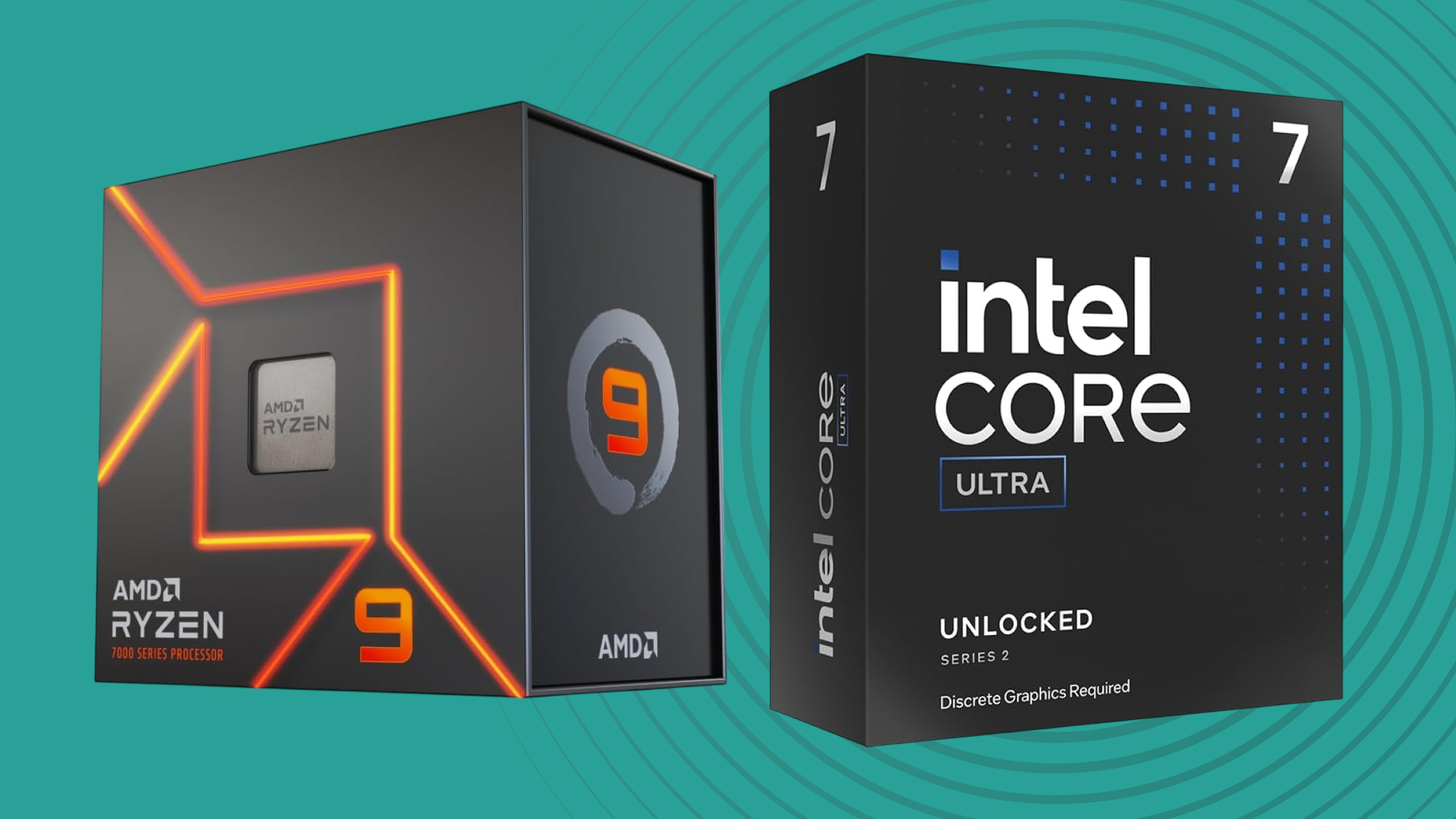 AMD is slowly turning into Intel of yesteryear as $501 32-thread Ryzen 9 7950X is just enough to beat 20-thread $270 Core Ultra 7 265KF — so what's going on?
 Intel sells the fastest sub-$200 CPUs that you can buy right now and AMD can barely keep up, even with a Ryzen 9 5900XT — so I have to ask, is Intel the new AMD?
 Intel beats AMD on sheer value as it ranks 7 CPUs in PassMark's top 10 Price Performance leaderboard — AMD gets number 1 but it's just an entry level Ryzen 5 on clearance sales
The Core 9 Ultra 285K is Intel's fastest CPU and costs under $500 - so why is it so much cheaper compared to AMD $679 Ryzen 9 9950X3D?
Intel beats AMD on sheer value as it ranks 7 CPUs in PassMark's top 10 Price Performance leaderboard — AMD gets number 1 but it's just an entry level Ryzen 5 on clearance sales
The Core 9 Ultra 285K is Intel's fastest CPU and costs under $500 - so why is it so much cheaper compared to AMD $679 Ryzen 9 9950X3D?
 Intel in 2025: year in review
 The AMD Ryzen 7 9850X3D is only one of the chips Team Red announced at CES 2026
Latest in Pro
The AMD Ryzen 7 9850X3D is only one of the chips Team Red announced at CES 2026
Latest in Pro
 Huge data leak of 149 million credentials exposed without any protection – 98GB of unique usernames and passwords from financial services, social media accounts and dating apps
 Epson EcoTank ET-4950 ink tank printer review
 Crowdstrike and Nord Security partnership nests Falcon Go and Falcon Enterprise directly through NordLayer – combined enterprise-grade protection with VPN and ZTNA for SMBs
 Cracking the AI code: realizing AI's true value in finance
 Microsoft SharePoint exploited to hack multiple energy firms
 Curl will stop bug bounties program due to avalanche of AI slop
Latest in News
Curl will stop bug bounties program due to avalanche of AI slop
Latest in News
 The Insta360 CEO just leaked two upcoming cameras in one teaser image
 The Galaxy S26 Series looks like getting one of the best Pixel features
 ICYMI: the week's 7 biggest tech stories from ChatGPT to OLED TVs
 Disneyland Handcrafted is a fascinating look at how Disneyland was built
 We just watched the official The Muppet Show on Disney+ trailer and now we're going gonzo
 Lego on why Smart Bricks needed custom wireless charging
LATEST ARTICLES
Lego on why Smart Bricks needed custom wireless charging
LATEST ARTICLES- 1I field-tested the best-selling Wandrd PRVKE backpack, and the hype is real — it's my new favorite camera bag that doesn't look like one
- 2'Tesla's chip game is no joke': Elon Musk confirms it has restarted work on its biggest supercomputer yet - but what will it actually be used for?
- 3The Insta360 CEO just leaked two upcoming cameras in one teaser image – here's what might be coming
- 4The PowerA Advantage Wireless Controller is an okay Switch 2 pick on sale — but it’s no Pro Controller
- 5'Weaponized AI' could be the biggest security threat facing your business this year - here's what experts say you should be on the lookout for